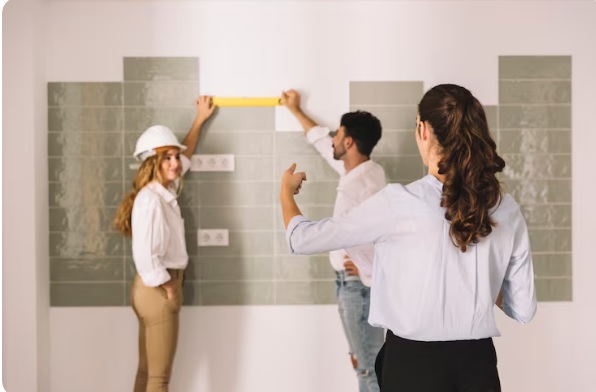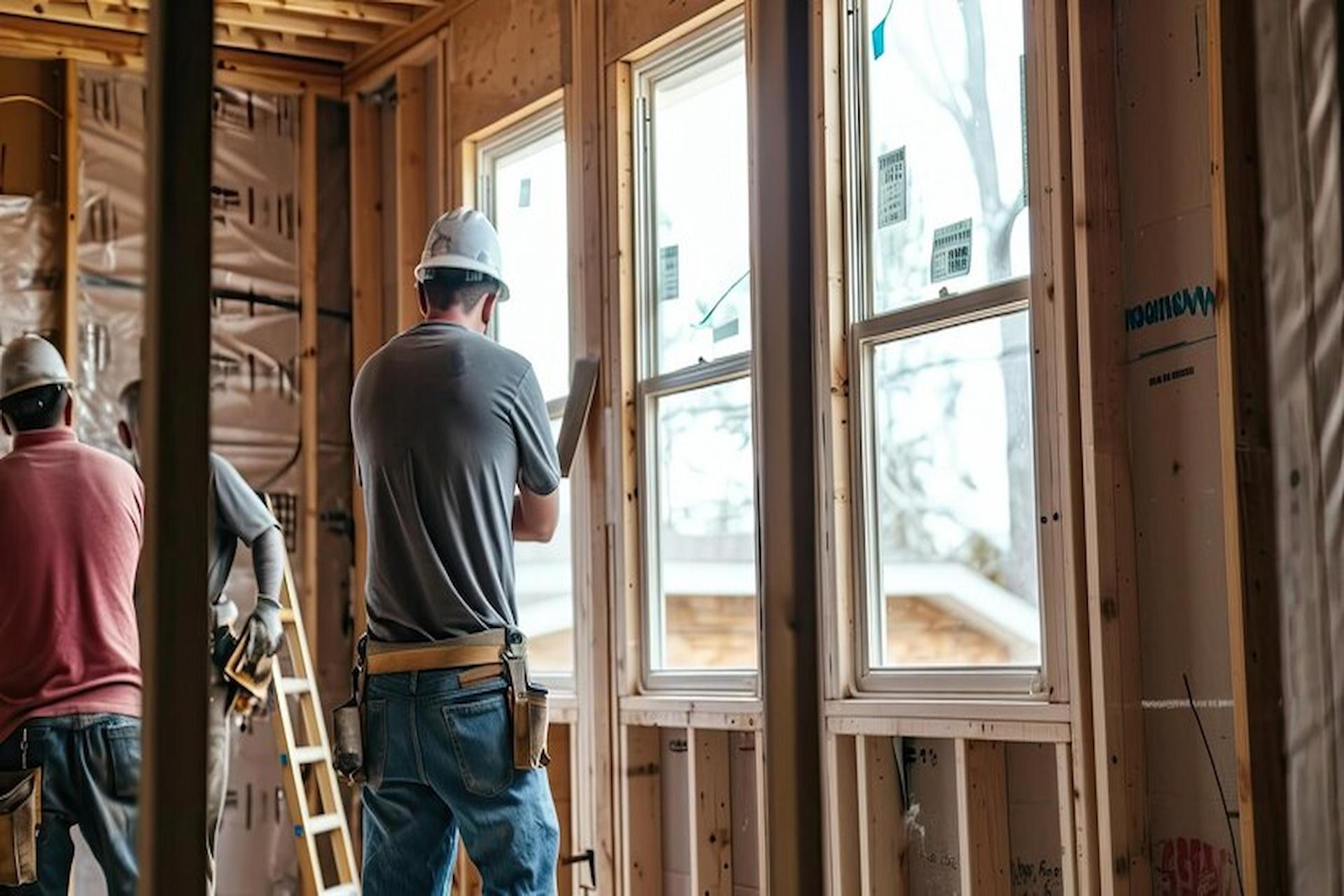
Home renovation is undergoing a refreshing transformation, blending modern aesthetics with practical innovation to create homes that are both beautiful and intelligently designed. Today’s homeowners are seeking spaces that reflect personality, lifestyle, and comfort, while also incorporating smart solutions for storage, sustainability, and everyday living.
In recent years, the shift from purely decorative refurbishment to meaningful redesign has become evident. Renovation projects now prioritize structural enhancements, improved lighting, functionality, energy efficiency, and the incorporation of natural materials—all key features of new-style design thinking. The emphasis is no longer solely on appearance, but on how seamlessly a space supports daily routines.
One of the most notable trends is the movement toward open-concept living areas. Walls that previously separated kitchens, dining rooms, and lounges are being removed to create flowing, connected spaces that encourage social interaction and a sense of openness. This concept also allows for more natural light, making homes appear larger, warmer, and more inviting.
Additionally, the smart-home revolution has played a major role in shaping renovation decisions. Homeowners increasingly request automated lighting, climate control, energy-monitoring systems, keyless entry, and integrated home-assistant technologies. These tools not only improve convenience but also promote sustainability by reducing unnecessary energy usage. The integration of technology is a cornerstone of modern renovation style.
Sustainability itself has become central to renovation projects. Eco-friendly materials such as bamboo, reclaimed wood, recycled stone, and low-VOC paints are now preferred over traditional options. Likewise, designers are incorporating natural textures and earth-tone color palettes to create a soothing, organic atmosphere within the home. Indoor plants, large windows, and nature-inspired finishes establish a calming balance between built environments and nature.
Kitchens and bathrooms remain focal points of renovation investment. For kitchens, homeowners are choosing minimalist cabinetry, matte finishes, hidden handles, stone countertops, multifunctional islands, and statement lighting. Meanwhile, bathrooms are evolving into spa-like retreats, featuring rainfall showers, deeper soaking tubs, floating vanities, and ambient lighting. These features signal a shift from utility rooms to personal wellness spaces.
Another emerging style element is maximalist personalization. While minimalism still influences design, people increasingly desire unique touches that tell their story—custom shelving, curated art walls, bold tile patterns, and contrasting textures. This approach acknowledges that a home should not only be elegant but also personal and emotionally resonant.
Renovation trends also reflect changes in work culture. With remote and hybrid work now common, the demand for dedicated home office spaces has expanded. These areas often include ergonomic setups, sound-buffering solutions, strategic lighting, and soothing aesthetics that enhance productivity. For many families, a functional workspace is now a home essential.
Financial considerations also influence renovation decisions. Instead of full-scale refurbishments, many homeowners adopt phased renovation approaches—prioritizing high-impact areas first and spreading costs over time. This approach allows flexibility while still moving toward a cohesive design vision. Renovation is no longer seen as a single event but as an ongoing journey.
Finally, social media and digital inspiration platforms have dramatically influenced design choices. Platforms such as Pinterest, Instagram, and Houzz allow homeowners to visualize trends, compare styles, and even connect with contractors and designers. This has democratized design, enabling more people to participate in shaping their ideal spaces.
Overall, the “new style” of home renovation champions a blend of elegance, personalization, sustainability, and technological integration. Homes are no longer just living environments—they are evolving into multi-functional, emotionally fulfilling, intelligent spaces that enhance quality of life. As these trends continue, the future of home design promises even greater innovation and a deeper connection between humans and their living environments.
FAQs
Q1: What is driving today’s modern home renovation trends?
Current trends are influenced by lifestyle changes, technological advancements, and the desire for more efficient, visually appealing living spaces.
Q2: Is minimalist design still popular?
Yes. Minimalist style with clean lines, open space, and neutral tones continues to dominate modern interiors.
Q3: How important is smart home technology in renovations?
Very important—smart lighting, security, climate control, and voice-activated systems are increasingly becoming standard upgrades.
Q4: Are sustainable materials trending in home renovation?
Absolutely. Eco-friendly paints, recycled wood, bamboo, and energy-efficient appliances are gaining popularity due to environmental awareness.
Q5: Does renovation increase home value?
Yes. Well-planned, high-quality renovations can significantly boost resale value and attract potential buyers.
Conclusion
Modern home renovation is no longer just about fixing outdated structures—it’s about reimagining how we live. Current trends focus on comfort, practicality, style, and personalization, creating spaces that reflect contemporary lifestyles. Whether it’s minimalistic design, smart home technology, open layouts, or eco-friendly materials, the evolution of home styling is driven by both functionality and beauty. Investing in thoughtful renovation doesn’t just enhance visual appeal—it improves quality of life and increases long-term property value.