Creating a comfortable and stylish outdoor area is no longer a luxury—it is a practical extension of modern living. Whether you are designing a garden retreat, a café seating area, or a shaded patio, choosing the right awning plays a crucial role. Among the most popular options are freestanding awnings and wall-mounted awnings, each offering distinct advantages depending on your space, layout, and usage needs.
1. Installation Flexibility and Placement Options
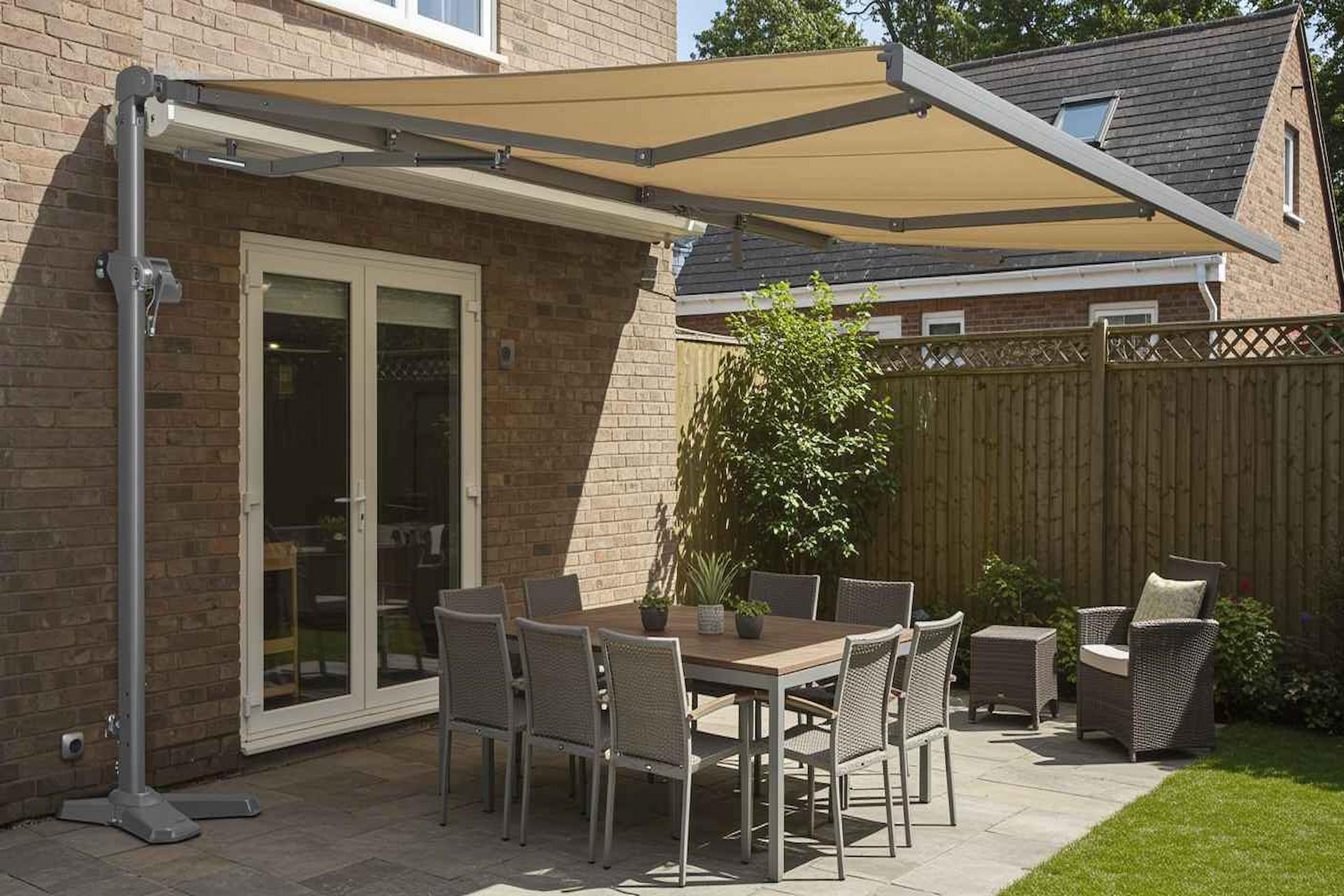
Freestanding awnings offer unmatched versatility. Unlike wall-mounted designs, they do not rely on an existing structure for support. This makes them ideal for open gardens, poolside areas, or commercial outdoor seating where no walls are available.
You can explore high-quality options like freestanding awnings to create shaded zones exactly where you need them—without architectural limitations.
Wall-mounted awnings, on the other hand, must be fixed directly to a building. While they work perfectly for patios and terraces, their placement is restricted by the structure of your home or business.
2. Structural Support and Stability
Freestanding awnings are built with their own frame, typically supported by durable posts anchored into the ground. This independent structure provides excellent stability, especially in open environments.
Wall-mounted awnings rely on the integrity of the wall for support. While modern installations are highly secure, they depend heavily on proper fixing and wall strength. In older buildings, additional reinforcement may be required.
In short, freestanding options are self-sufficient, while wall-mounted systems are structure-dependent.
3. Coverage Area and Shade Control
Freestanding awnings are designed to cover larger and more flexible areas. They can be positioned to provide shade over dining sets, lounge spaces, or even outdoor work zones.
Wall-mounted awnings typically extend outward from a building, offering shade in a fixed direction. While retractable models allow some adjustment, they cannot match the 360-degree placement freedom of freestanding designs.
If your goal is to create a central shaded hub in an open space, freestanding awnings provide superior coverage flexibility.
4. Aesthetic Appeal and Design Impact
Freestanding awnings create a striking visual feature. Their standalone design often enhances the overall landscape, making them ideal for gardens, hospitality venues, and modern outdoor layouts.
Wall-mounted awnings blend seamlessly with the building. They offer a clean, integrated look that complements patios and balconies without dominating the space.
Your choice depends on whether you want the awning to be a focal point or a subtle extension of your property.
5. Installation Complexity and Time
Freestanding awnings usually require more groundwork. Installation involves securing posts, ensuring level placement, and sometimes preparing a concrete base. This can increase installation time and cost.
Wall-mounted awnings are generally quicker to install. Once the wall is assessed and brackets are fixed, the process is relatively straightforward.
If you are looking for a faster installation, wall-mounted options may be more convenient. For long-term flexibility, freestanding designs justify the extra effort.
6. Maintenance and Durability
Both types of awnings are designed for durability, but their maintenance needs differ slightly.
Freestanding awnings are exposed on all sides, which may lead to more frequent cleaning, especially in dusty or windy environments. However, their robust frames often handle weather conditions well.
Wall-mounted awnings benefit from partial protection provided by the building. This can reduce exposure to wind and rain, potentially extending fabric lifespan.
Regular cleaning, proper retraction during harsh weather, and periodic inspections are essential for both options.
7. Cost Considerations and Value
Freestanding awnings typically involve higher upfront costs due to materials, structural support, and installation work. However, they offer greater flexibility and can serve multiple purposes across different outdoor layouts.
Wall-mounted awnings are often more budget-friendly and provide excellent value for residential patios and smaller spaces.
When evaluating cost, it is important to consider long-term usability rather than just initial investment.
8. Best Use Cases for Each Option
Freestanding awnings are ideal for:
- Open gardens or lawns
- Poolside relaxation areas
- Outdoor dining zones in restaurants or cafés
- Large commercial outdoor spaces
Wall-mounted awnings are ideal for:
- Patios and terraces
- Balconies
- Small garden seating areas
- Homes with limited outdoor space
Choosing the right option depends on how and where you plan to use your outdoor area.
Conclusion
Choosing between freestanding and wall-mounted awnings ultimately comes down to how you use your outdoor space and the level of flexibility you need. Freestanding options are ideal for open areas where you want complete control over placement and coverage, making them a strong choice for gardens, commercial settings, or multifunctional outdoor zones. Wall-mounted awnings, in contrast, offer a more streamlined and cost-effective solution for patios and terraces, blending neatly with existing structures while delivering reliable shade. By assessing your space, budget, and long-term needs, you can select an awning that not only enhances comfort but also adds lasting value and style to your outdoor environment.