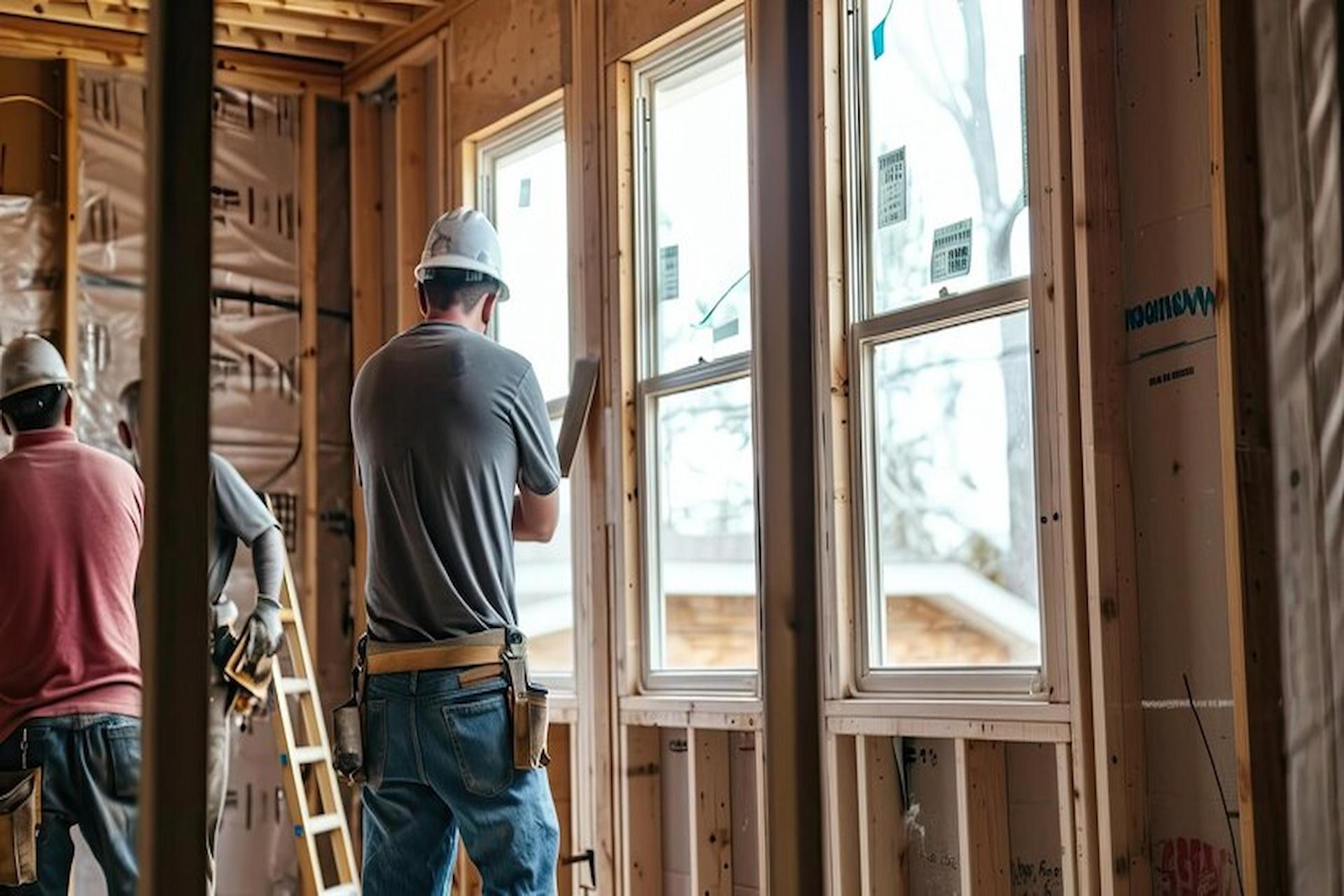
A renovation can completely transform your home or commercial space—but only when it’s handled with clarity, planning, and expert guidance. Whether you’re upgrading a single room or managing full-scale building projects, understanding the process is key to a successful renovation. In this listicle, we break down the essential steps recommended by experienced architects to help you plan smarter and execute with confidence.
Start With a Clear Vision
Every strong renovation begins with a well-defined goal. Before any planning starts, outline what you want to achieve—more space, better functionality, modern aesthetics, or improved energy efficiency. A clear vision ensures your renovation project stays aligned with your lifestyle, budget, and long-term plans.
Hire a Professional Architect
A professional Architect plays a crucial role in transforming your ideas into practical designs. They analyze structural elements, building codes, and safety requirements while optimizing space and functionality. Their guidance prevents mistakes, saves time, and ensures your renovation meets both creative and technical expectations.
Plan Renovation Projects Strategically
Successful renovations rely on well-organized planning. Break the process into stages such as design, budgeting, approvals, material selection, and execution. This helps you set realistic timelines and avoid unnecessary delays. Each stage should have clear milestones to monitor progress effectively.
Prepare Adaptable Infrastructure for the Future
Installing adaptable infrastructure makes your space future-ready. This includes flexible electrical systems, modular layouts, and scalable wiring that can accommodate new technology or layout changes. Investing in adaptability today means fewer disruptions and lower costs tomorrow.
Set a Realistic Budget
Your budget should include design fees, labor, materials, permits, and a contingency fund for unexpected costs. Architects often recommend adding 10–20% extra for unforeseen issues. A realistic budget keeps your renovation project stress-free and ensures smooth financial planning.
Secure Necessary Permits
Many building projects—whether residential or commercial—require planning approvals and safety certifications. Obtaining permits early prevents legal complications and ensures your renovation follows local building codes. A professional architect typically handles or assists with this step.
Choose High-Quality Materials
Durable materials improve longevity and minimize maintenance. Whether you’re selecting flooring, fixtures, or structural components, prioritize quality over cost-cutting. Using premium materials ensures your renovation remains strong, functional, and visually appealing for years.
Coordinate Building Projects Efficiently
Effective coordination among contractors, designers, and suppliers is essential. Clear communication reduces mistakes, minimizes delays, and enhances teamwork. Architects often act as project managers to ensure each phase aligns with the approved plans.
Monitor Construction Progress
Stay involved throughout the renovation. Regular site visits help you identify issues early, ensure quality work, and maintain transparency. Tracking progress also keeps contractors accountable and keeps the project timeline on track.
Final Inspection and Finishing Touches
Before marking your renovation as complete, conduct a thorough final inspection. Check workmanship, functionality, and finishing details. Addressing small issues early helps you achieve a polished, professional result and ensures long-term satisfaction.
FAQ
1. Why is hiring a professional architect important?
Architects ensure your renovation is safe, efficient, and compliant with building codes while maximizing space and design.
2. What is adaptable infrastructure in renovations?
It refers to flexible systems—like modular layouts or scalable electrical wiring—that prepare your space for future changes.
3. How do I plan a successful renovation?
Define your goals, hire experts, create a structured plan, secure permits, and monitor construction closely.
4. What renovation projects add the most value?
Kitchen upgrades, bathroom remodels, structural improvements, and energy-efficient installations typically offer the highest returns.
Conclusion
A successful renovation is the result of smart planning, expert guidance, and future-ready choices. By focusing on strategic renovation projects, investing in adaptable infrastructure, and collaborating with a professional architect, you can turn any space into a functional, beautiful, and sustainable environment. Whether you’re beginning small repairs or large-scale building projects, following these steps ensures outstanding results from start to finish.