
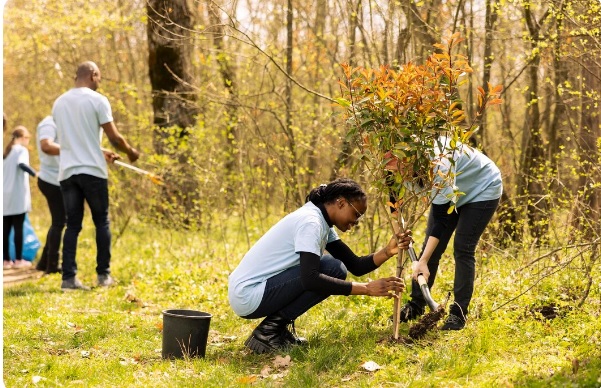
Healthy trees are the backbone of a beautiful garden. They provide shade, clean air, privacy, and a natural aesthetic that enhances any outdoor space. Whether you’re a beginner gardener or a seasoned plant lover, giving your trees the right care ensures they grow strong, disease-free, and vibrant throughout the year. Here are ten practical, expert-backed tips to help you boost the health of your garden trees.
Water Deeply and Consistently
Trees thrive when watered deeply rather than frequently. Deep watering encourages roots to grow downward, making the tree more resilient during dry spells. Using quality hose fittings ensures better water flow and efficiency while reducing wastage.
Mulch to Protect Roots
A 2–4 inch layer of mulch helps retain soil moisture, regulate temperature, and reduce weed competition. Organic mulch like bark chips or compost also enriches the soil as it breaks down. Avoid piling mulch against the tree trunk.
Prune Regularly and Correctly
Pruning removes dead or diseased branches, improves air circulation, and shapes healthier growth. Always prune during the dormant season using sharp tools. Proper pruning prevents pest infestations and encourages strong branch structure.
Improve Soil Quality
Healthy soil equals healthy trees. Test the soil to understand its pH and nutrient levels. Add compost or organic matter to enhance structure, drainage, and fertility. Good soil supports stronger roots and better long-term growth.
Protect Your Trees with Landscape Edging
Using landscape edging helps create a barrier between your trees and lawn equipment. It prevents mower damage, defines garden beds, and reduces soil erosion around tree bases, giving your trees a cleaner and safer growing environment.
Check for Pests and Diseases Early
Regular inspection is key. Look for signs like leaf discoloration, holes, fungus, or unusual growth patterns. Early detection allows you to treat issues before they spread. Natural remedies and professional arborists can help manage serious conditions.
Keep Indoor Plants Away from Tree Roots
If you bring indoor plants outside temporarily, avoid placing them directly around tree bases. Containers can restrict water flow or introduce pests. Give your trees space for proper root expansion and nutrient absorption.
Avoid Over-Fertilizing
More fertilizer doesn’t mean faster growth. Too much nitrogen can weaken trees, making them prone to pests and diseases. Use slow-release fertilizers and apply them only when soil tests indicate deficiencies.
Support Young Trees with Stakes
Newly planted trees often need stakes to remain upright while their roots establish. Use flexible ties and remove the stakes after one year to prevent trunk damage. Proper support increases stability during storms and windy days.
Encourage Biodiversity in Your Garden
A balanced ecosystem helps trees thrive. Encourage birds, beneficial insects, and companion plants like shrubs and flowering perennials. Biodiversity naturally controls pests and boosts tree health over time.
FAQs
1. How often should I water my garden trees?
Water deeply once or twice a week, depending on climate and soil type.
2. What type of mulch is best for trees?
Organic mulch like wood chips, bark, or compost works best.
3. When is the best time to prune trees?
During the late winter or early spring dormant season.
4. Can landscape edging really help tree health?
Yes, it protects roots from mower damage and maintains stable soil.
5. How do I detect early tree diseases?
Look for leaf discoloration, wilting, abnormal growths, or pests.
Conclusion
Improving the health of trees in your garden doesn’t require complicated techniques—just consistent care and awareness. From proper watering and pruning to soil enhancement and pest control, each step contributes to a stronger, greener, and more resilient garden. With thoughtful planning, your trees will continue to enrich your outdoor space for years to come.


