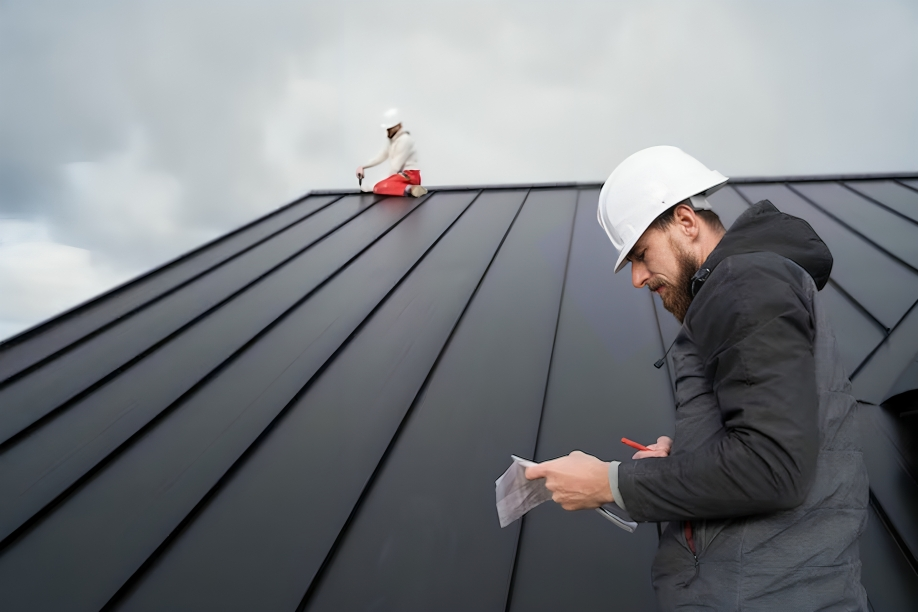
Every season brings its share of challenges to any roofing company, from scorching summers to freezing conditions during winters. This behooves one, therefore, to learn how these professionals meet seasonal challenges. After all, not only does it delve into their expertise but help the appreciation that a homeowner should have for the advent of the intricate details of roof maintenance throughout the year. The following blog post aims to discuss the ways roofing firms adjust their strategies towards seasonal challenges to ensure the longevity and safety in varied weather conditions.
Roofs are the first line of defense against the elements, taking a beating from the vacillations in weather. Seasonal changes directly affect the roofing companies, especially on the integrity and durability of a roof on which they work. For each season, there is associated frigid cold throughout winter and the high summer temperatures, each of which possesses its own challenges, calling for special techniques and equipment.
Below are how these seasonal challenges could be effectively dealt with by a company involved in roofing. Homeowners will know the need to make roof maintenance very prompt and how crucial it is in saving homes from serious damages caused by structural wall or deteriorating insulation.
Spring: Time for Renewal and Inspection
Spring Cleaning and Maintenance
With winter melting away, spring is the time for the roofing companies to conduct a proper inspection. The truth is, harsh winter weather can cause damage that isn’t easily seen. A roof may have faced ice dams, heavy snow loads, or even high winds. Professional inspections during spring help in discovering and rectifying such issues before they become big ones.
Spring-Related Issues to Be Addressed
Other maintenance should include cleaning out gutters and removing debris, as well as inspecting for mold or algae growth. Most flat roofing company will advise a full roof cleaning procedure to avoid debris building up and causing a potential for water damage. They may also inspect, clean, and repair flashing and seals, which are prone to damage when there is still snow and ice on the roof.
Summer: Combating Heat and UV Exposure
Summer is usually hot and uncomfortable, with the level of UV radiation quite high, which can adversely impact the roofing material. For example, asphalt shingles will become brittle and crack under the sun. Most roofing companies suggest installing some reflective coatings or UV-resistant materials to reduce potential damage and prolong the roof’s life span.
Ventilation and Cooling of the Roof
That makes proper ventilation a critical concern during the summer. If ventilation is inadequate, excessive heat may build up in the attic, leading to higher energy costs and probable damage to the roofing materials. Roofing companies may recommend the installation or upgrading of attic ventilation systems to provide for the effective discharge of hot air and the cooling of the roofing system.
Fall: Getting Ready for Winter and Restoring Seasonal Wear
Pre-Winter Preparations
Fall signals the beginning of the preparation for the winter by roofing companies, including the usual inspection of the roof for any wear and tear it might have faced in summer. Necessary repairs are made at that time so as not to let the condition of the roof deteriorate further. Leaves and other debris are cleaned from gutters and drains to make sure that there are no chances of choking during winter, which could give birth to ice dams.
Inspect and reinforce
Fall is also a season of roof strengthening for the winter. This may encompass checking loose shingles, damaged flashing areas, and making sure all seals are put in place. There may be a need for additional insulation or for weatherproofing against the cold, and the roofing companies do recommend these solutions for protection against heat loss.
Winter: How To Handle The Cold, Snow, And Ice
Handling Snow And Ice
The winter brings with it problems of snow accumulation on the roofs and ice dams. The roofing companies should be well prepared to safely remove snow from the roofs to minimize an excess load, which potentially leads to structural damage. Another concern is the potential water damage resulting from ice dams—a situation in which melting snow refreezes at the gutter line. There are a variety of ways companies deal with and attempt to curb their risks associated with ice dams, such as heat cables or improving insulation.
Precautions for Cold Weather
The temperature and moisture of cold weather affect materials used in roofing work. Some adhesives and sealants, for example, may not dry out so well if the conditions are too cold. Most roofing businesses, however, adapt to this by modifying their techniques and using special materials that can work best in such a weather. This measure guarantees that, despite the tough conditions, the repairs or installation will still be reliable and effective.
Conclusion
Knowing how roofing companies manage challenges spring from the seasonal changes gives so much to the mind in considering the many complexities of roof care and repair. Season after season, issues arise from summer heat to winter snow, with professionals needing to adjust their techniques and materials. This kind of adaptability is crucial in ensuring that houses are constantly being protected by effective roofing.
This simply states, for homeowners, just recognizing these seasonal challenges underscores the importance of regular roof inspection and related maintenance. To arrange professional consultations with experienced, knowledgeable roofers who will be able to navigate you through the exacting demands of each season, work on safeguarding your home from the elements, and really extend the life of your roofing system.