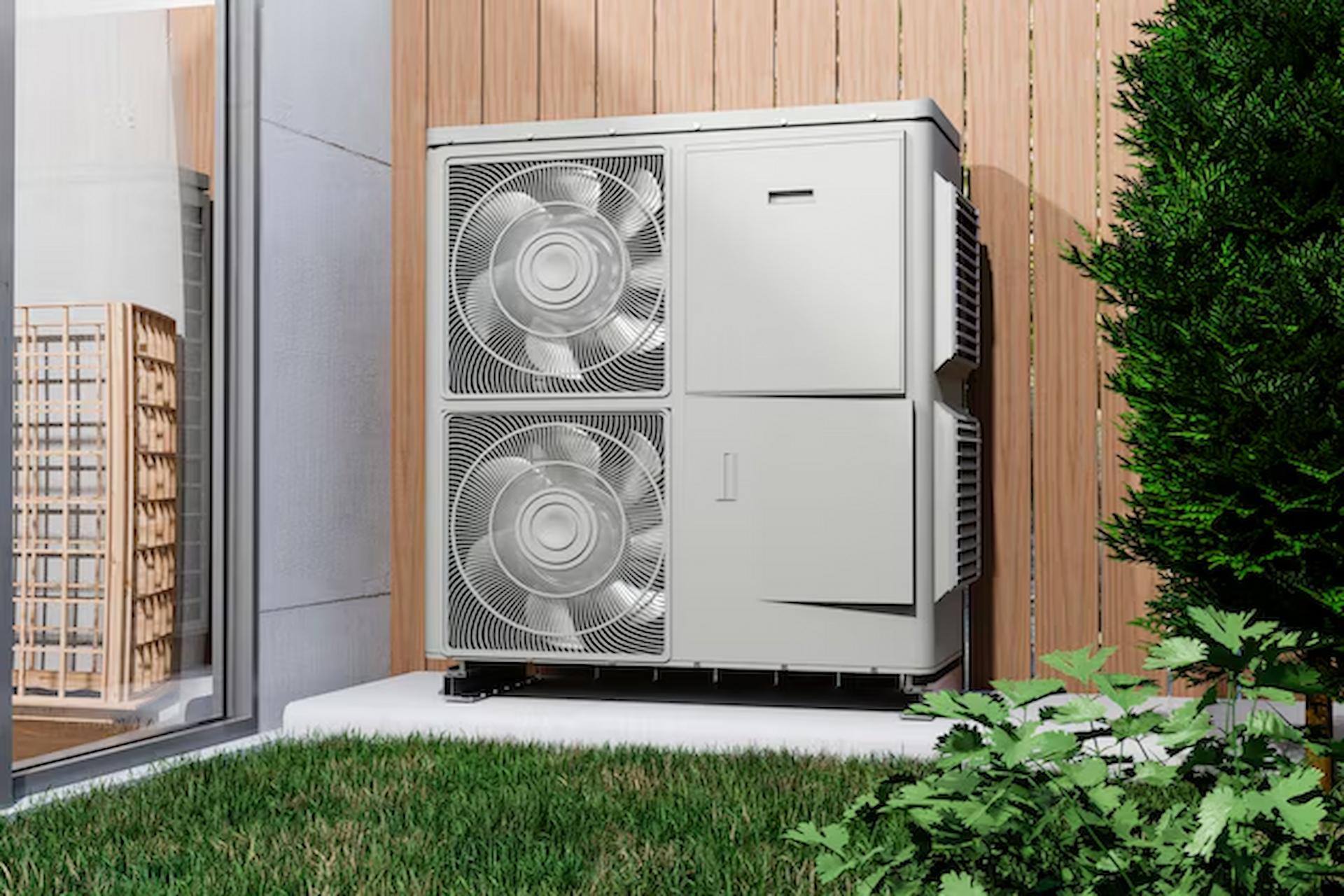
Air source heat pumps (ASHPs) have become a popular choice for homeowners across the UK. They’re praised for their energy efficiency, ability to provide both heating and cooling, and their environmentally friendly performance. But like any other home system, they’re not immune to wear and tear.
If your heat pump isn’t heating your home as well as it used to, it might be trying to tell you something. The good news? Many issues are fixable—and often preventable—with regular servicing. In this article, we’ll walk through common reasons your heat pump might not be heating properly, how to troubleshoot the issue, and when it’s time to call in the pros, like the trusted team at ServiceMy.
What Is an Air Source Heat Pump?
Before we delve into the issues, let’s briefly review how these systems operate.
An air source heat pump absorbs heat from the air outside, even when it’s cold, and transfers it inside your home to provide heating. In the summer months, it can work in reverse, functioning like an air conditioner. This two-way capability is one of its biggest advantages.
However, this efficient system relies on many components working in harmony. Over time, small issues can creep in and throw things off balance. That’s where maintenance comes in.
Signs Your Heat Pump Isn’t Heating Properly
How do you know when something’s off? Here are some common signs:
- Your home feels colder than usual, even when the heat pump is running
- The system runs continuously, but never reaches the set temperature.
- You notice a spike in energy bills without any increase in usage.
- Strange noises are coming from the unit.
- There’s ice on the outdoor unit or coils.
If you’re experiencing any of the above, it’s time to take a closer look.
Why Your Heat Pump Might Be Struggling
1. Dirty or Clogged Filters
This is one of the most common culprits. Air filters trap dust, pollen, and debris. Over time, this buildup restricts airflow, making the system work harder to deliver heat.
What to Do:
Check your filters monthly; if they’re dirty, clean or replace them as needed. This simple habit can boost efficiency and also improve air quality.
2. Low Refrigerant Levels
Refrigerant is the lifeblood of your heat pump—it’s what allows the system to transfer heat. If your system is low on refrigerant due to a leak or poor installation, it won’t be able to heat your home effectively.
What to Do:
You’ll need a professional to inspect and top up refrigerant levels. Don’t try to handle refrigerant yourself—it’s a specialist task and can be hazardous if done incorrectly.
3. Thermostat Issues
Sometimes, the problem isn’t with the pump—it’s with the thermostat. Incorrect settings, calibration issues, or a failing thermostat can all lead to poor heating performance.
What to Do:
Ensure your thermostat is set to “heat” and adjusted to the desired temperature. If the temperature displayed doesn’t match how your home feels, it might need recalibrating or replacing.
4. Outdoor Unit Blocked or Dirty
The outdoor component of your heat pump requires precise, unobstructed airflow to function correctly. Leaves, snow, dirt, or even weeds can block the unit, reducing its efficiency.
What to Do:
Inspect the area around the outdoor unit regularly to ensure it remains clean and clear. Clear away any debris, and consider trimming plants or shrubs that are too close.
5. Frozen Coils
If temperatures drop low and moisture accumulates, the coils in your outdoor unit can freeze. When this happens, the system can’t absorb heat from the air.
What to Do:
First, turn off the system and let it defrost. If this happens regularly, it could indicate a more significant issue, such as poor airflow or a failing defrost cycle. A qualified technician from ServiceMy can help diagnose and fix it.
6. Electrical or Component Failure
Internal components, such as capacitors, sensors, or motors, can wear out or fail. If a critical part breaks down, the whole system may continue to run, but without actually heating.
What to Do:
Listen for unusual sounds, such as clicking, buzzing, or humming. If you suspect a mechanical fault, stop using the system and call in a certified technician.
Why Regular Servicing Matters
Routine servicing helps restore your system to peak condition. That means it doesn’t have to work harder than necessary, and you don’t have to pay for energy that isn’t being used effectively.
Just like your car needs regular oil changes, your heat pump requires periodic attention to stay in top form. A well-serviced heat pump:
- Uses less energy
- Lasts longer
- Delivers better heating
- Avoids costly breakdowns
That’s why many homeowners trust ServiceMy for their scheduled maintenance. Their experienced technicians are trained to identify and address minor issues before they escalate into major problems.
When to Call in a Professional
While basic maintenance tasks, such as cleaning filters and clearing debris, can be done by homeowners, some issues require the expertise of trained professionals.
Call a pro if:
- You suspect a refrigerant leak
- The system has electrical problems.
- Ice buildup is persistent.
- You’ve done the basic checks, and it’s still not heating well.
ServiceMy offers reliable servicing and emergency support to ensure your home stays warm when you need it most.
How Often Should You Service Your Heat Pump?
Experts recommend having your air source heat pump serviced at least once a year—ideally before the heating season begins.
Annual servicing includes:
- Cleaning coils and filters
- Checking refrigerant levels
- Inspecting electrical components
- Testing the thermostat and controls
- Ensuring optimal airflow and drainage
Think of it as a health check for your system. You wouldn’t skip your doctor’s appointment—your heat pump deserves the same care!
Simple Tips to Keep Your Heat Pump Healthy
- Change filters regularly: Every 1–3 months, depending on usage and air quality.
- Clear the outdoor unit: Keep it free of debris, leaves, and snow.
- Don’t block vents: Ensure furniture and curtains aren’t obstructing airflow.
- Listen and observe: Strange sounds or reduced performance are your system’s way of asking for help.
Real-World Stats That Back It Up
- A study by the Energy Saving Trust found that regular servicing can improve heat pump efficiency by up to 25%.
- The Carbon Trust reports that poorly maintained systems can consume 10–30% more energy.
- Homeowners who service their systems yearly experience 50% fewer breakdowns compared to those who don’t.
Numbers like that make a strong case for preventive care.
Conclusion: Keep the Heat On with ServiceMy
An air source heat pump is a smart investment—but like any home system, it needs regular care to perform at its best. If your pump isn’t heating properly, don’t ignore the signs. Address the small issues before they become a big (and expensive) headache.
From basic troubleshooting to expert servicing, ServiceMy is here to help. Their experienced team knows what to look for, how to fix it, and how to keep your home comfortable throughout the year.
A little maintenance goes a long way—especially when it’s in the hands of the right people.