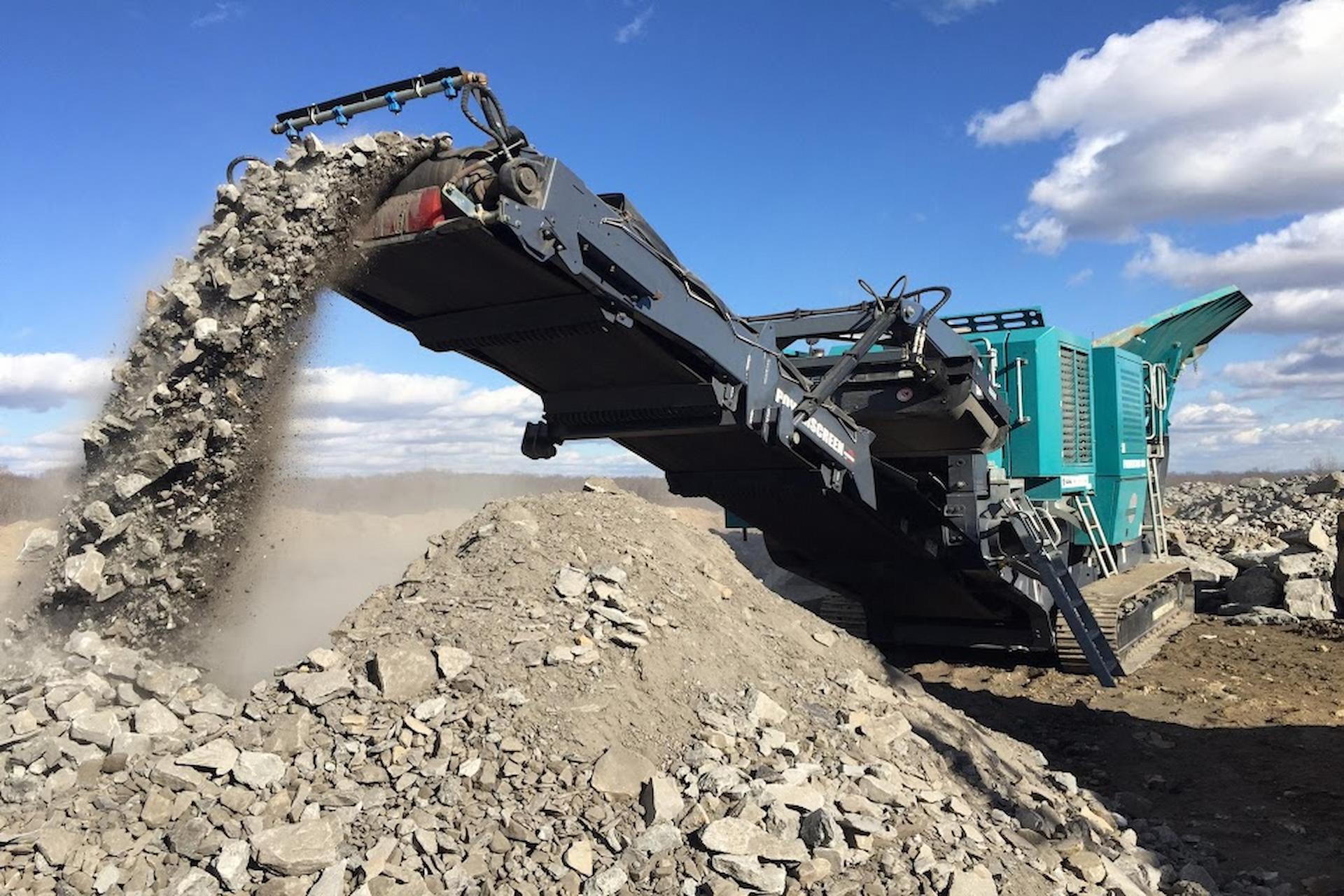
Looking for a powerful and reliable crushing solution? Stationary crushers offer unmatched efficiency for heavy-duty operations. These machines provide consistent performance, high durability, and cost-effective results. Whether you need to process large rocks or fine materials, stationary crushers ensure smooth and efficient crushing. Read on to explore their benefits, types, and best practices for maximum productivity!
In mining, construction, and recycling industries, crushing large materials into smaller pieces is essential. This is where stationary crushers play a vital role. These machines are designed to handle tough materials and provide consistent results. Unlike mobile crushers, stationary crushers are fixed in one place, offering stability and high efficiency. They are ideal for operations that require continuous and large-scale crushing.
Choosing the right stationary crusher can improve productivity and reduce costs. This article will explore how these machines work, their benefits, and factors to consider before purchasing one. We will also discuss how they contribute to sustainable operations.
What Are Stationary Crushers?
Stationary crushers break down large rocks, stones, or minerals into smaller sizes. They are installed at a fixed location and used for long-term crushing projects. These crushers are commonly found in quarries, mining sites, and large industrial plants.
Unlike portable crushers, they do not need to be moved from one site to another. They offer strong and stable performance, making them a reliable choice for heavy-duty crushing needs.
How Do Stationary Crushers Work?
Stationary crushers use mechanical force to break down materials. The process typically involves the following steps:
- Feeding the Material: Large rocks or stones are fed into the crusher.
- Crushing Process: The machine applies pressure to break the material into smaller pieces.
- Screening and Sorting: Crushed materials are separated based on size.
- Final Output: The processed material is collected and used for further applications.
These steps ensure that the material is crushed efficiently and meets industry standards.
Benefits of Using Stationary Crushers
Stationary crushers offer several advantages for businesses that require heavy-duty crushing.
- High Efficiency and Productivity
These crushers are designed for continuous operation. They can handle large volumes of material without frequent interruptions. This ensures higher productivity.
- Strong and Durable Structure
Since stationary crushers are fixed in one place, they are built with robust materials. This makes them long-lasting and reliable for heavy-duty tasks.
- Cost-Effective in the Long Run
While the initial cost may be high, stationary crushers offer long-term savings. They require less maintenance compared to mobile crushers and provide consistent performance.
- Better Crushing Quality
These machines provide uniform crushing, ensuring that the final material meets required specifications.
- Reduced Environmental Impact
Many stationary crushers are designed with dust control and noise reduction features. This makes them more environmentally friendly compared to traditional crushing methods.
Types of Stationary Crushers
There are different types of stationary crushers, each designed for specific crushing needs.
- Jaw Crushers
Jaw crushers use a moving plate to crush materials. They are suitable for primary crushing of large rocks and stones.
- Cone Crushers
Cone crushers use a rotating cone to break materials. They are ideal for secondary and tertiary crushing.
- Impact Crushers
Impact crushers use high-speed impact to crush materials. They work well for soft to medium-hard materials.
- Gyratory Crushers
Gyratory crushers are similar to jaw crushers but use a conical head to apply crushing force. They are used for primary crushing in large-scale operations.
Choosing the Right Stationary Crusher
Selecting the right stationary crusher depends on several factors.
- Type of Material
Different crushers are suited for different materials. Consider the hardness and size of the material before choosing a crusher.
- Required Output Size
The final product size will determine the type of crusher needed. Some crushers produce finer materials, while others create larger pieces.
- Production Capacity
Assess your production needs. If you require high output, choose a crusher with a large capacity.
- Maintenance and Operating Costs
Some crushers require more maintenance than others. Choose one that fits your budget and maintenance capabilities.
- Environmental Considerations
If you need a crusher with lower noise and dust levels, look for models with advanced environmental features.
Tips for Efficient Use of Stationary Crushers
To get the best performance from your stationary crusher, follow these tips:
- Regular Maintenance: Clean and inspect the crusher to prevent breakdowns.
- Proper Feeding Techniques: Avoid overloading or feeding uneven materials.
- Monitor Performance: Keep track of production output and adjust settings if needed.
- Train Operators: Ensure workers understand how to use the crusher safely and efficiently.
The Role of Stationary Crushers in Sustainable Operations
Sustainability is becoming a priority in industrial operations. Stationary crushers help achieve this goal in several ways:
- Reduced Waste: By crushing materials efficiently, less waste is generated.
- Energy Efficiency: Many modern crushers are designed to use less energy.
- Recycling Applications: Crushed materials can be reused in construction and other industries.
Conclusion
Stationary crushers are essential machines for industries that require large-scale material processing. They offer reliability, efficiency, and cost savings in the long run. With different types available, businesses can choose a crusher that meets their specific needs. Proper maintenance and operation ensure these machines perform at their best. Additionally, stationary crushers contribute to sustainability by reducing waste and improving energy efficiency.
If you are looking for a crushing solution for heavy-duty operations, stationary crushers provide a dependable and effective option. Make an informed decision by considering factors like material type, production needs, and environmental impact.